The Weaponization of the Uneducated
For decades, the most effective tool in the predatory recruiter’s arsenal hasn’t been a superior product, an efficient logistics network, or a breakthrough compensation model. It has been something far darker: the weaponization of hope.
When individuals are facing economic anxiety, stagnant wages, or a deep, grinding fatigue with their current circumstances, they are uniquely vulnerable. Predatory operators know this intimately. They design their entire pitch to target emotional pain points, selling the illusion of overnight financial escape to people who may lack formal business training, analytical experience, or financial literacy. They trade in high-octane hype precisely because hype bypasses critical thinking.
That unashamed brazenness is the exact hallmark of the modern hype machine. They don’t hide the manipulation anymore—they package it as “sales psychology” and teach it proudly on social media as if exploiting someone’s vulnerabilities is a badge of honor.
When recruiters openly boast about hunting for “pain points” just to reverse-engineer a pitch against someone’s anxieties, they treat people like data points to be cracked rather than human beings. It completely flips ethical business on its head: instead of offering a genuine solution to an existing market need, they actively manufacture or weaponize a person’s private insecurities to force a transaction.
It is deeply insulting to anyone with a shred of self-respect, which is precisely why the entire old-school playbook is alienating a generation of tired, hyper-aware consumers and prospects.
The Psychology of the Trap
The mechanics of this manipulation are as predictable as they are destructive.
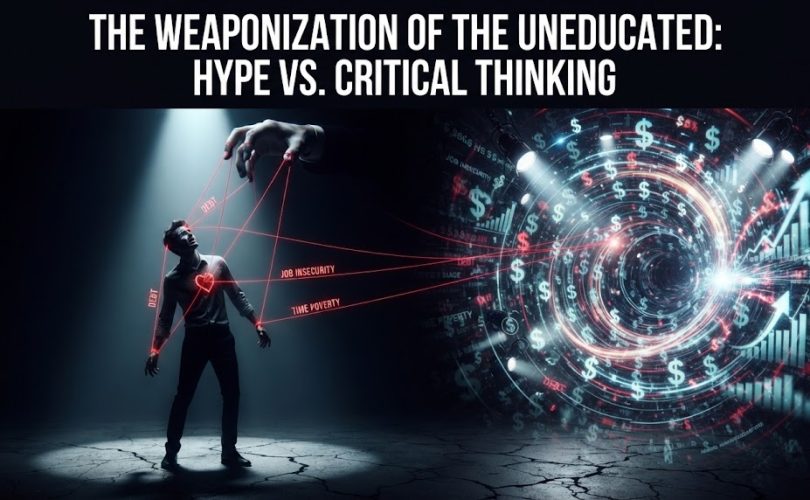
First, the recruiter identifies a target’s pain—usually debt, job insecurity, or a lack of time freedom. Then, instead of offering a sober business plan involving customer acquisition, retention metrics, and daily operational disciplines, they offer an emotional fantasy. They flash rented luxury, wave around manipulated income disclosures, and shout platitudes from convention stages.
The underlying message is always the same: Your lack of success so far isn’t your fault; you just haven’t found the right vehicle. Buy into our system, adopt our positive mindset, and the money will follow.
It is a psychological trap. By preying on those who do not yet possess the financial literacy to dissect a compensation plan or spot the difference between recruitment volume and actual retail demand, these operators set newcomers up for guaranteed failure. The recruits spend money they don’t have on inventory they don’t need, burn through their personal relationships, and ultimately walk away broke and demoralized.
And when they fail? The predatory machine turns the blame right back on them: “You just didn’t want it badly enough. Your mindset wasn’t right.”
Shifting from Manipulation to Education
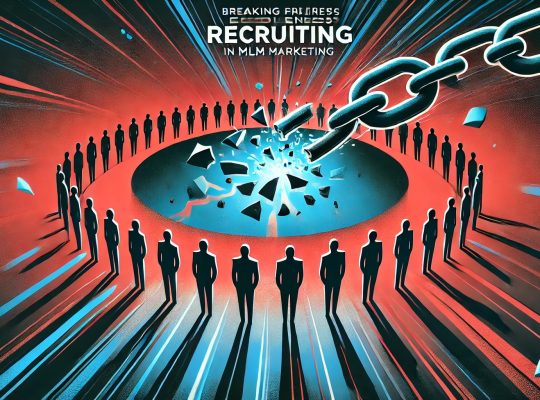
This is the cycle that must be broken.
Stopping the exploitation of the vulnerable requires a total cultural rejection of emotional arm-twisting. We have to strip away the carnival-barker tactics and replace them with hard-nosed, practical business education.
A real opportunity doesn’t need to lie to you. It doesn’t need to manipulate your insecurities or exploit your financial illiteracy. It respects your intelligence by laying out the exact mechanics of how a business operates: what products are moving, how customer retention works, and what structured daily systems are required to build genuine, recurring revenue.
When you educate people instead of hypnotizing them, you change everything. You stop churning through victims, and you start building actual operators.
The Sovereign Operator’s Call
You have read the diagnosis. Now, it is time for the cure. Stop building your future on the shifting sands of hype, recruitment, and empty promises. Join a system built on the bedrock of real business fundamentals, logistical efficiency, and genuine product utility.
Stay tuned for Part 4: “The Great Separation—Fad Recruiting vs. Real Asset Building,” where we explore why long-term stability depends on true product utility rather than recruitment velocity.
Copyright © 2026 MJ Enterprises
All rights reserved.