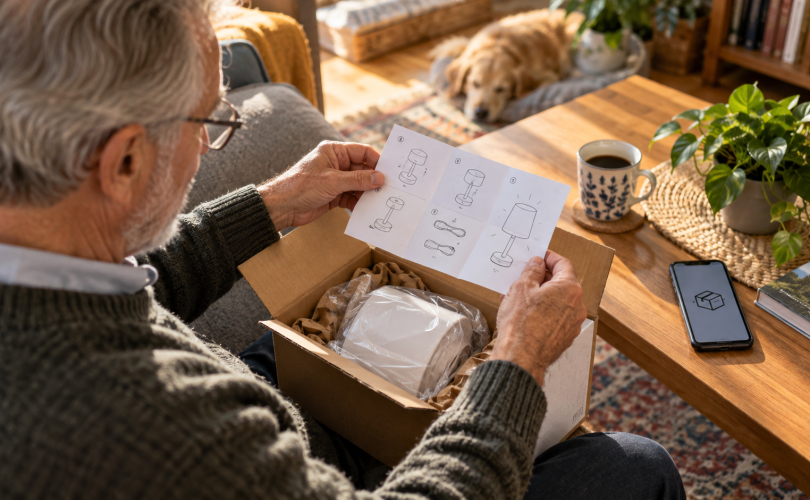
After a first order, give the customer a short handoff that explains where to find the order, how to access the official product instructions, and who can help if something goes wrong. Confirm any recurring arrangement they actually selected, and ask separately whether they want a service check-in.
Checkout may finish the sale, but it doesn't automatically finish the customer's questions. They may still wonder which message contains the receipt, what arrives next, or whether asking for help means listening to another presentation.
A product-centered network marketing business should make those ordinary questions easy to resolve. Buying a product shouldn't require learning the team's culture or joining a business group.
Send one useful note
Use the information from the actual order and current official materials. Don't guess at shipping dates or repeat an old promotion's terms. If an estimate hasn't been confirmed, say where the customer can check it.
A handoff note should cover five things:
- The order reference and where the customer can retrieve their receipt or order status.
- What they ordered, with any important distinction between the selected item and an introductory example you discussed.
- Where the official directions, warnings, and storage information can be found.
- The correct support route for delivery, billing, returns, or product questions.
- Any recurring-order arrangement actually selected, including where to review or manage it under the current terms.
Some information may already be in a company confirmation email. Point the customer to it instead of copying details into another version that can drift. Never ask them to send passwords or payment details to make your personal records feel complete.
Keep instructions attached to their source
You can help someone find and understand the manufacturer's ordinary instructions. Don't supplement them with improvised doses, medical advice, or a team member's preferred way of using the product.
If the customer asks a health question, direct them to a qualified professional and supply the official product information they can bring. If they raise another question you can't establish, help route it to the appropriate official source. The sale doesn't enlarge your authority.
This follows the distinction in product education versus a pitch: useful education separates what is known from what remains uncertain. That distinction matters after checkout too.
Separate service from the next sales conversation
Ask, "Would a check-in after delivery be helpful, or would you rather contact me if you need something?" If they want one, agree on when and what it will cover.
A service check-in can confirm whether the expected item arrived and whether the customer can find the instructions or support they need. It doesn't need to become an invitation to enroll, upgrade, or introduce friends.
Use a clear follow-up agreement rather than treating the first purchase as permission for unlimited contact. Someone can welcome help with an order and decline future promotional messages. Record that distinction and honor it.
Test the handoff before calling it finished
Take the note you plan to send and read it as a person who has never ordered before. Can they answer these questions without contacting you again?
"Where is my order information? Where are the directions? Who handles a problem? Did I select a recurring purchase, and where do I review that arrangement?"
If an answer requires insider knowledge, improve the note. If a link or contact route is uncertain, verify it before sending. Don't solve a missing support path by promising that you'll always be available personally.
For an ordinary hypothetical household purchase, the entire message might be a few sentences: the receipt location, the official instruction link, the support contact, a clear statement of the actual order arrangement, and the optional check-in. The content matters more than its length.
The customer may never need the note again. That's fine. A good handoff gives them somewhere reliable to turn without making them dependent on your next message. Finish that part of the first sale before asking the relationship to carry another one.