The Professionalization of the Independent Operator
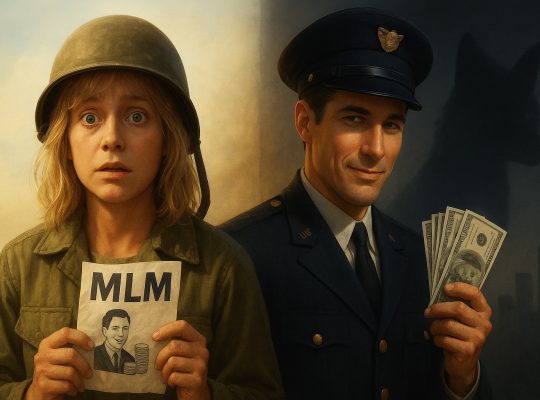
For generations, network marketing has been haunted by a caricature: the over-eager acquaintance cornering you at a coffee shop, the clipboard-wielding zealot at a hotel meeting, or the frantic acquaintance sliding into your direct messages with a copy-pasted pitch.
This greasy salesman stereotype isn’t just an aesthetic problem—it is a structural symptom of an industry that refused to professionalize. When your business model relies on warm-market exploitation, high-pressure emotional closing, and raw recruitment velocity, you don’t attract professionals. You attract amateurs playing at business, trapped in a cycle of high turnover and public eye-rolls.
If the post-Amway settlement era has proven anything, it is that the old-school hustler is legally and culturally extinct. To survive and scale in the modern digital economy, the direct sales professional must undergo a radical evolution: transitioning from a hype-driven recruiter into a Sovereign Operator.
The Anatomy of the Sovereign Operator
What does it actually mean to professionalize the independent operator? It means stripping away the carnival-barker tactics and replacing them with the disciplined framework of a modern digital franchise.
A Sovereign Operator does not hunt for personal pain points or manipulate vulnerable prospects. Instead, they operate with three distinct professional pillars:
-
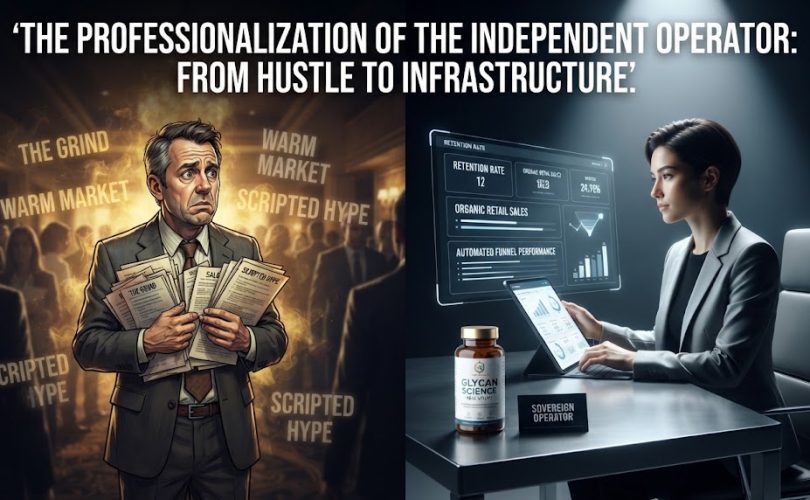
System-Driven Logistics Over Hustle Culture: An amateur relies on relentless personal outreach and brute-force closing. A Sovereign Operator builds automated, permission-based funnels that respect the prospect’s time and intelligence. They let transparent data and verified product education do the heavy lifting.
-
Attraction Through Competence, Not Hype: Instead of flashing rented wealth, exaggerated income claims, or motivational platitudes, the professional builds authority through competence. They treat their distribution channel like a real e-commerce enterprise, focusing on customer retention metrics, churn rates, and organic product utility.
-
Respecting the “No” as an Informed Boundary: In the old model, dissent was treated as a lack of mindset or a sign of fear. For a Sovereign Operator, a “no” is simply a closed transaction. They recognize that a sustainable business cannot be built on forcing square pegs into round holes; it is built by serving the right market with the right solution.
Replacing the Grease with Infrastructure
Professionalization is impossible without the right infrastructure. You cannot ask people to act like modern business executives if they are tethered to a 1990s compensation model and a garage full of prop products.
When an independent operator is backed by a clean technological and regulatory framework—automated retail receipts, strict compliance verification, real-time customer analytics, and scientifically backed consumables—everything changes. The anxiety disappears. You don’t need to lie or exaggerate when the product actually retains customers on its own merits and the system operates with absolute transparency.
You stop feeling like a scam artist, because you finally aren’t one. You step out of the shadows of the old MLM stigma and into the light of professional, direct-to-consumer digital distribution.
The Sovereign Operator’s Call
The era of the pushy amateur is over. The market has rejected it, regulators have penalized it, and consumers have learned to tune it out. It is time to step up to a higher standard of business.
Stay tuned for Part 7: “The Architecture of Leverage—Conclusion,” where we synthesize the entire blueprint for the new era of sovereign distribution.
Copyright © 2026 MJ Enterprises
All rights reserved.